Building resilience through integrated humanitarian action: Lessons from the Acute Crisis Mechanism (ACM) project in Burundi
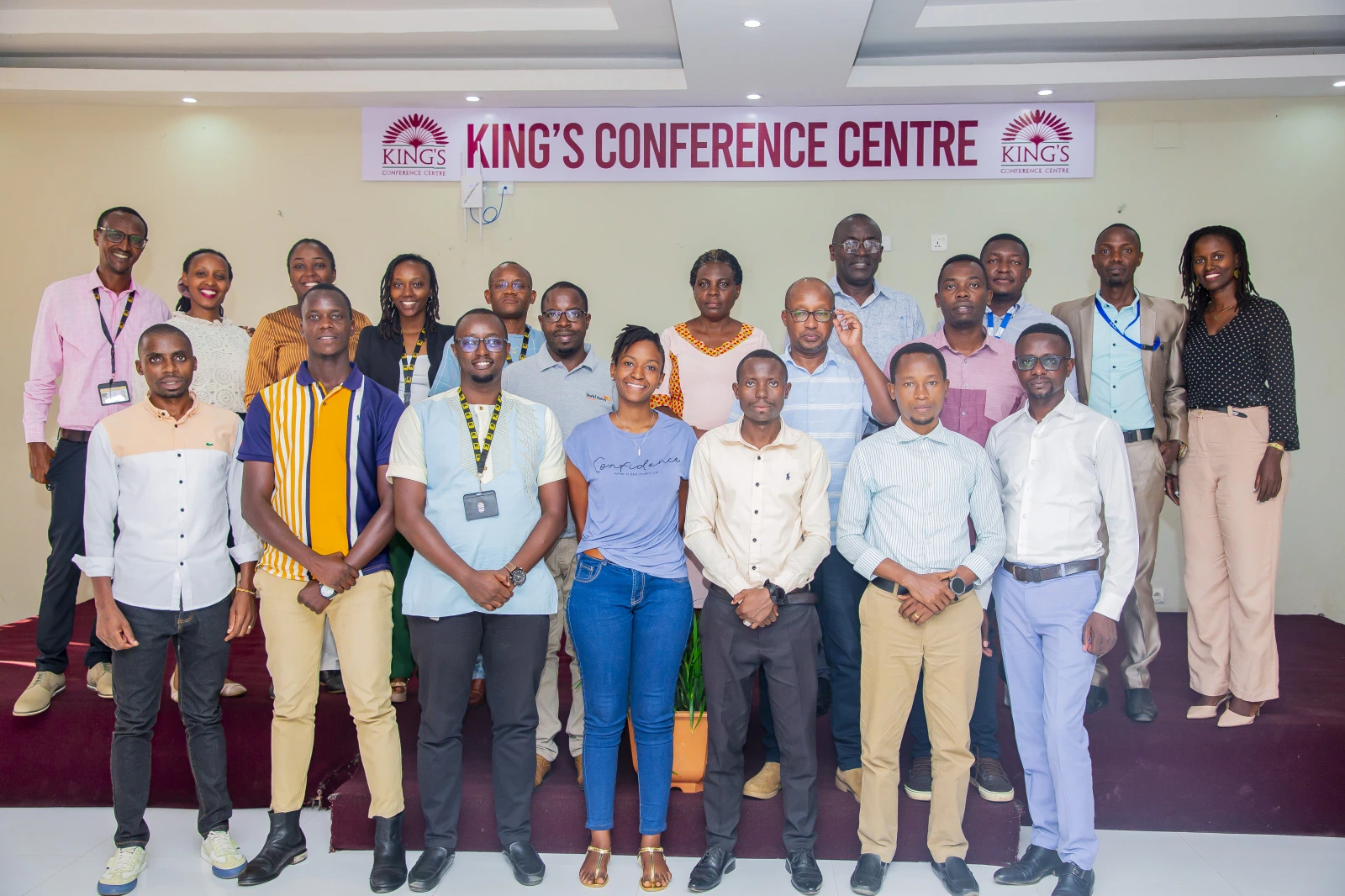
On 22 June 2026, Help a Child, together with its consortium partners, Social Action for Development (SAD), World Vision, COPED, the International Rescue Committee (IRC), Fondation Stamm, and Tearfund, held a Lessons Learned and Results Capitalization Workshop at the Kings Conference Center in Bujumbura to mark the successful completion of the Acute Crisis Mechanism (ACM) Project implemented in the Cishemere Transit Site and Busuma Refugee Camp.
The workshop brought together government representatives, humanitarian actors, and technical partners to review the project’s achievements, document lessons learned and identify strategic recommendations for future refugee responses in Burundi.
Implemented through a coordinated multisectoral approach, the ACM Project significantly improved access to essential services and strengthened the protection and resilience of refugee communities. More than 31,200 refugees received WASH kits, while 9,150 people gained access to safe sanitation facilities and 22,800 people adopted improved hygiene practices through sustained hygiene promotion campaigns.
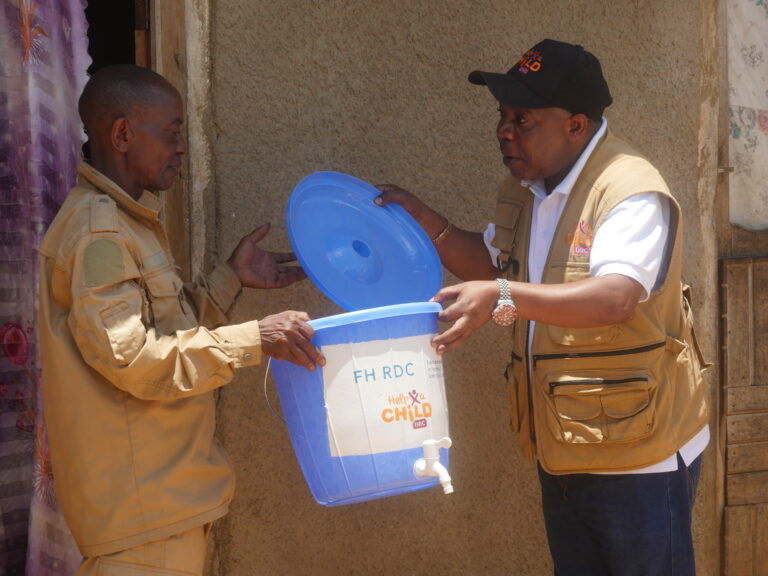
The project also invested in durable community infrastructure, constructing 18 temporary latrine blocks, seven shower blocks, three waste disposal pits, one permanent six-stall latrine block, and 50 handwashing stations, contributing to better public health and reduced disease risks.
Protection remained at the heart of the intervention. Over 16,800 people benefited from gender-based violence (GBV) prevention and child protection activities, while 313 GBV survivors received psychosocial support and referral services.
Through an effective case management system, 411 vulnerable children and 447 individuals with specific needs accessed specialized protection services and material assistance. In addition, 61 separated children are under reunification process with their families, and 25 volunteer foster families were supported to provide safe alternative care.
To help vulnerable households meet their essential needs with dignity, the project also provided multipurpose cash assistance to 500 households, benefiting approximately 3,000 people.
A key pillar of the project was strengthening community capacity and accountability. WASH committees were established and equipped to promote sustainable hygiene practices, while 40 community leaders strengthened their capacities in protection, accountability, and community feedback mechanisms.
Training on Protection from Sexual Exploitation and Abuse (PSEA) further enhanced the ability of partner staff to deliver safe, inclusive, and accountable humanitarian services. These investments strengthened community ownership, improved service quality, and reinforced accountability to affected populations.
Related news
Healthcare within reach: an IDP family’s story
Every morning, before the sun fully rises over the IDP settlement in Baidoa, Safiya, a…
Essential support for SGBV survivors
In the Oicha Health Zone, many women and girls who have survived Gender-Based Violence…
Foster families protecting hope during Ebola outbreak
During a period marked by the Ebola outbreak, unaccompanied and separated children were…