
Foster families protecting hope during Ebola outbreak
During a period marked by the Ebola outbreak, unaccompanied and separated children were among the most vulnerable groups. Thanks to the support provided to transitional foster families, many children were able to find a safe, protective, and caring environment while benefiting from regular follow-up and assistance tailored to their needs.
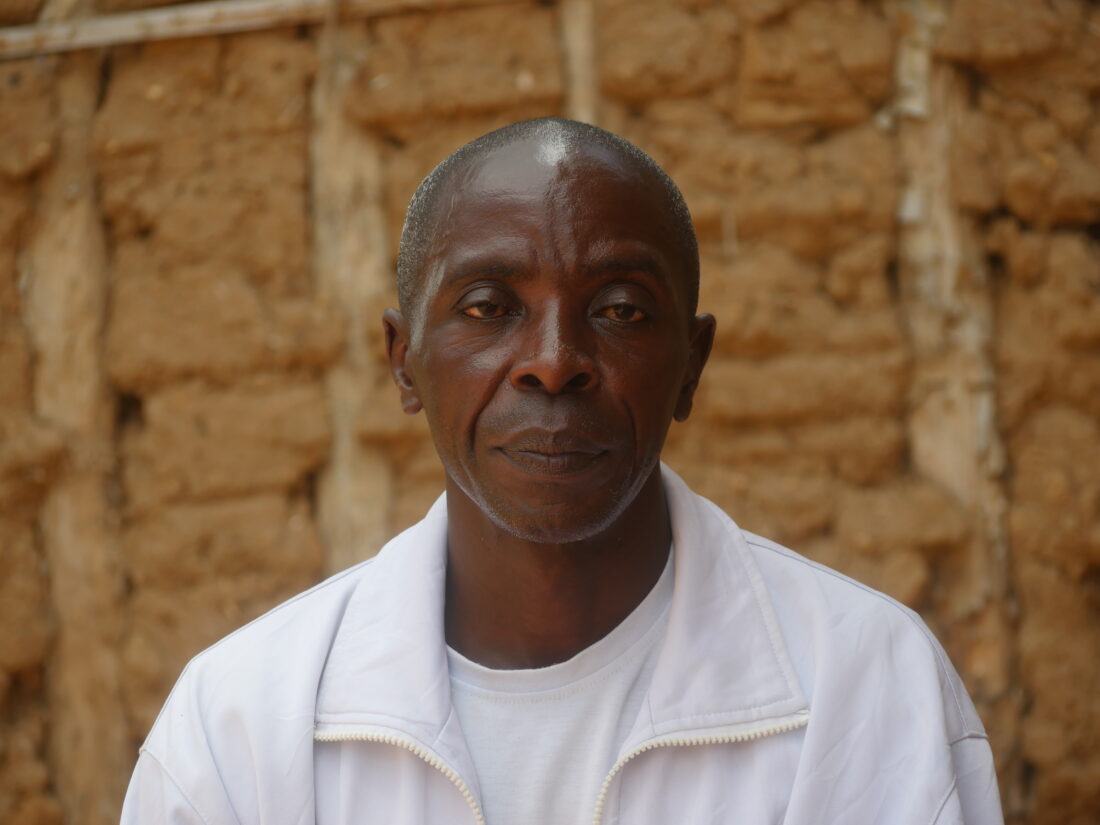
In Oicha, the family of Kambale Kaoma from Mambabeka, a father of five children, agreed to temporarily host three children who had been separated from their parents during the Ebola response. However, this additional responsibility posed a significant challenge for a household already facing economic hardships.
“I participated in the training as a Transitional Foster Family organized by Help a Child in collaboration with the Division of Social Affairs. I also received food support on three occasions, as well as essential household items to support the care of the children we welcomed. We wanted to help these children, but we did not know how to meet all their needs. Food was becoming insufficient, and we were worried about the disease,” recalls Kambale Kaoma.
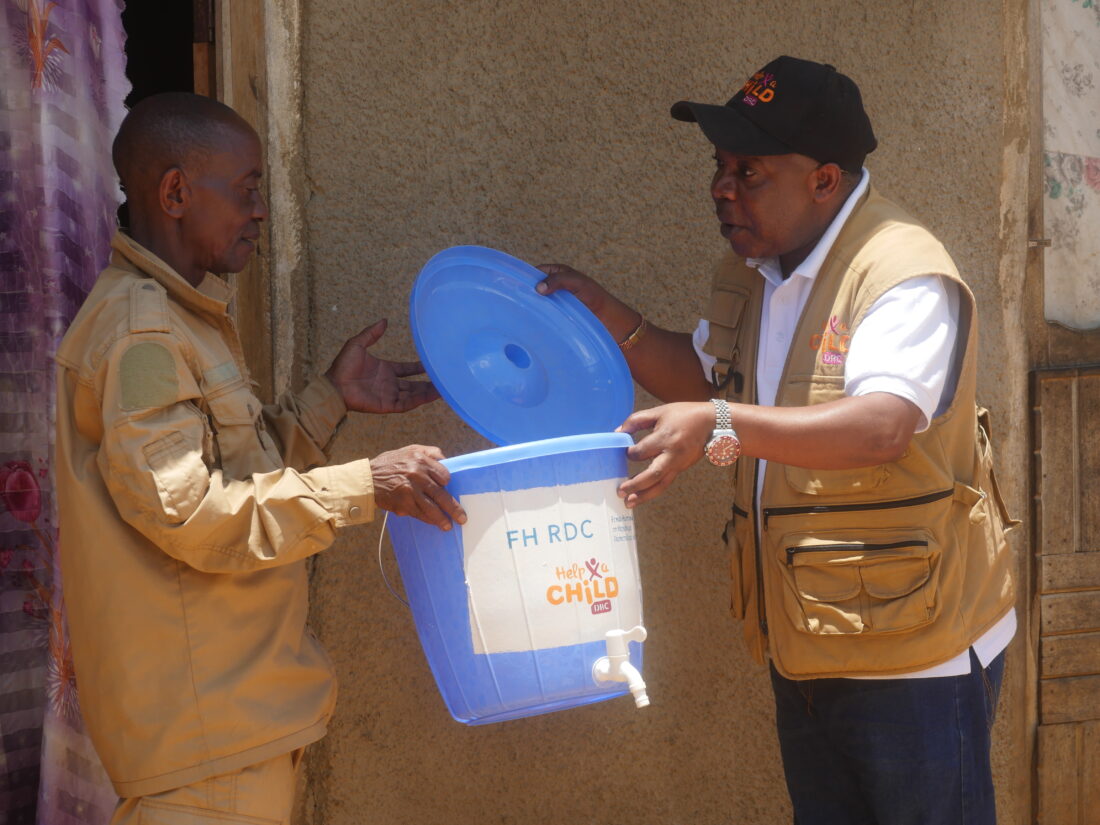
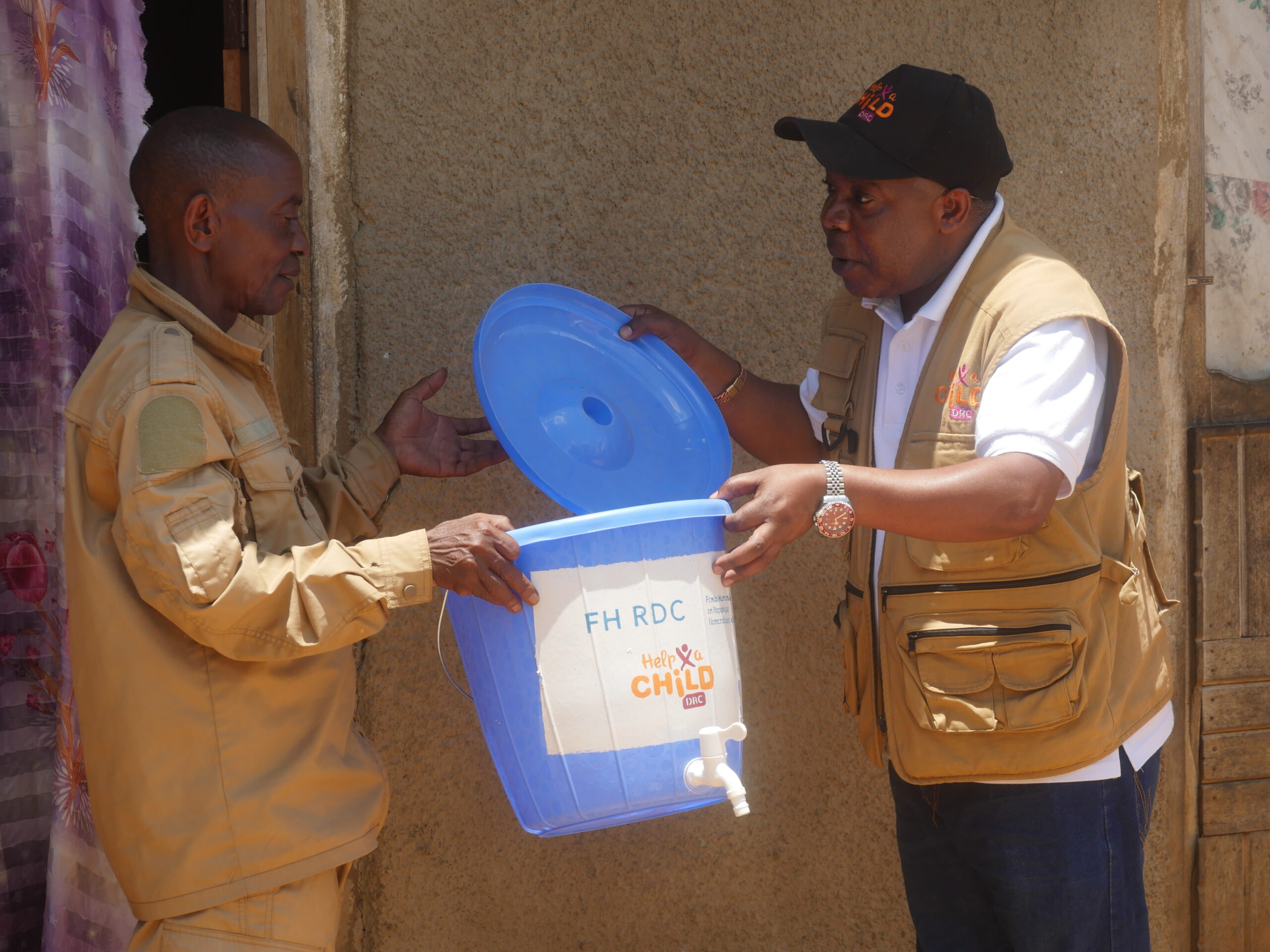
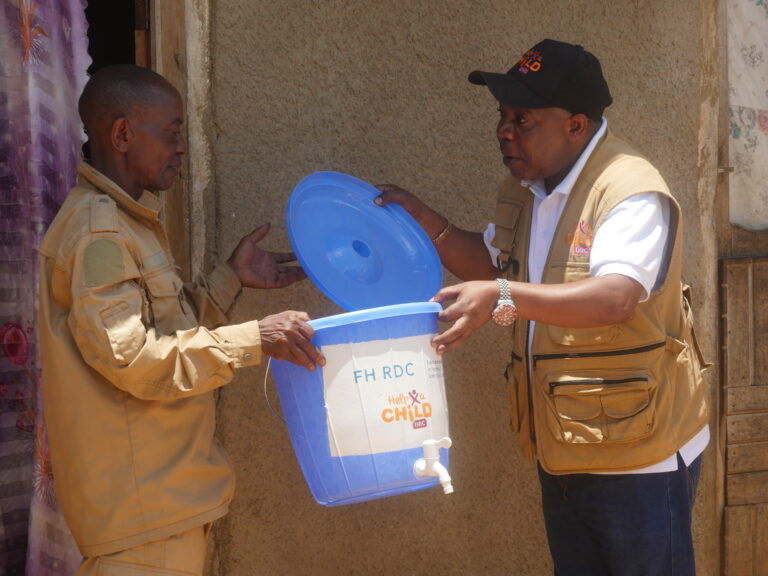
Through the project’s support, the family received regular follow-up through monitoring of unaccompanied and separated children, food rations, and handwashing kits aimed at strengthening Ebola prevention measures. Monitoring visits helped ensure that the children were well integrated, protected, and that their essential needs were adequately addressed.
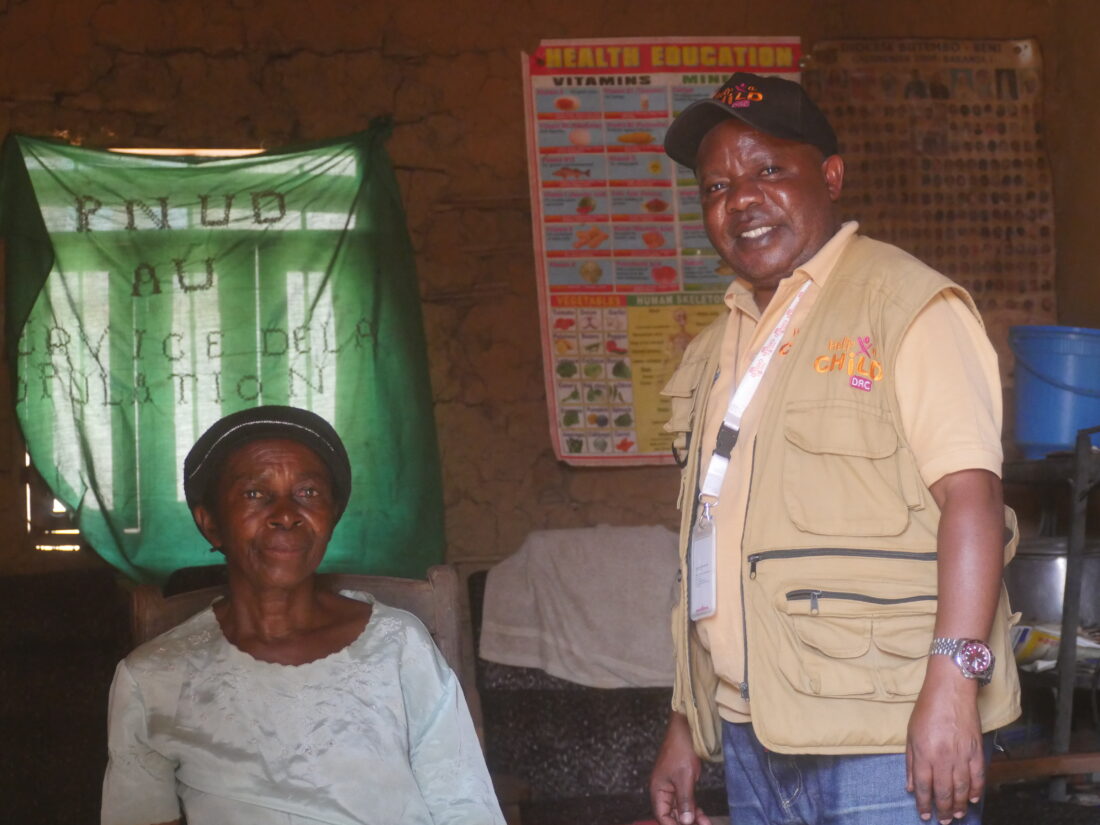
Food assistance improved the household’s food security, reducing pressure on family resources. The handwashing kits also strengthened hygiene practices within the home, helping all family members better protect themselves against the disease.
“The children now feel like members of our family. Thanks to the support we received, we can take care of them without neglecting our own children. However, we would like to request increased food assistance because, due to insecurity and the disease, the number of separated children is extremely high. Thank you for providing us with handwashing facilities; they help us adopt good hygiene practices to prevent Ebola, explains Kahambu Mashauri Charlotte.
Today, children in foster care live in a stable and protective environment. They take part in the household’s daily activities and benefit from the care, guidance, and attention they need for their well-being.
This experience highlights the importance of supporting transitional foster families during public health emergencies. By strengthening the capacity of households to care for and protect vulnerable children, the project helps preserve their dignity, safety, and future despite the challenges posed by the Ebola outbreak.
Related news
Healthcare within reach: an IDP family’s story
Every morning, before the sun fully rises over the IDP settlement in Baidoa, Safiya, a…
Essential support for SGBV survivors
In the Oicha Health Zone, many women and girls who have survived Gender-Based Violence…
Foster families protecting hope during Ebola outbreak
During a period marked by the Ebola outbreak, unaccompanied and separated children were…