
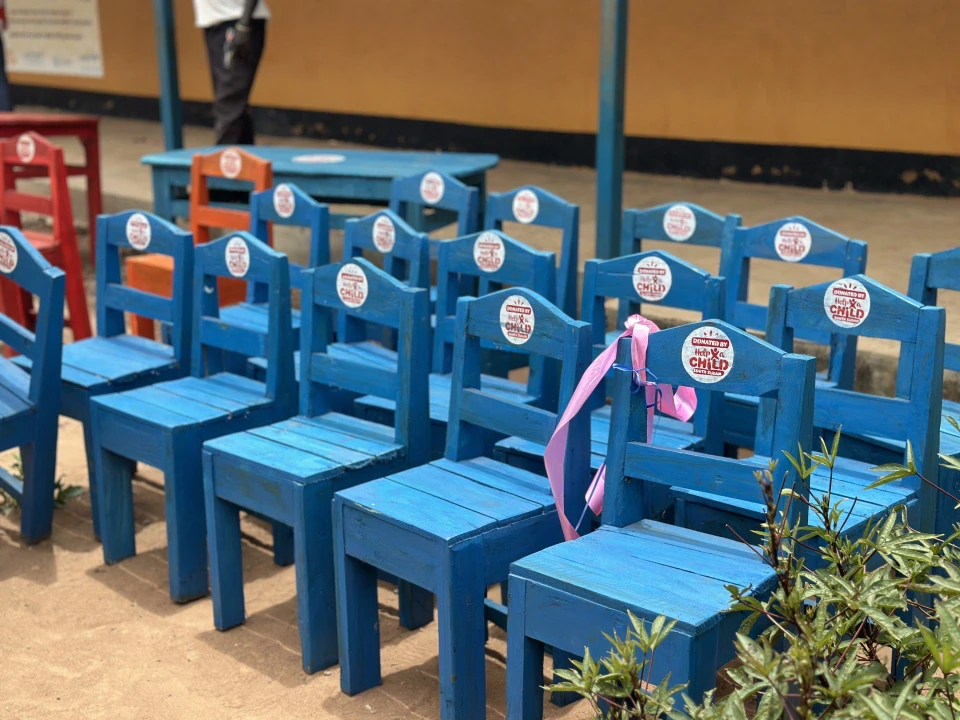
Help a Child South Sudan expands support for early childhood learning in Wau county
On 25 September 2026, Help a Child South Sudan officially launched and commissioned Early Childhood Development furniture support for six primary schools in Western Bahr el Ghazal State. The initiative was developed after critical gaps in classroom furniture were identified during a recent joint EU–UNICEF programme evaluation visit.
Rather than treating the shortage as a minor infrastructure issue, Help a Child South Sudan recognized it as a barrier to quality early learning. Young children need classrooms that allow them to sit comfortably, interact freely, participate in play-based activities and learn in an environment designed for their stage of development.
Through internal funding, HaC responded by providing durable and child-friendly furniture to selected ECD sections across the six schools. The intervention is expected to improve not only classroom comfort, but also participation, inclusion, classroom organization and the overall learning experience.
The challenge
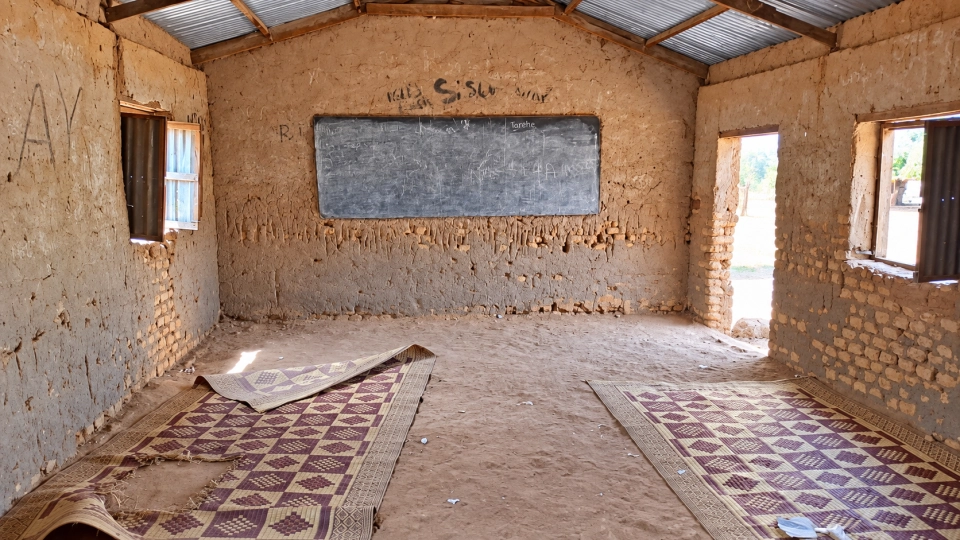
Across the targeted schools, many young children were learning in classrooms with inadequate or unsuitable furniture. In some cases, the available furniture did not meet the needs of young learners, affecting their comfort, participation and overall learning experience.
Early Childhood Development in South Sudan continues to face serious gaps in access, infrastructure and learning conditions. UNICEF data shows that only about 6% of children aged 36–59 months attend an early childhood education programme, while many schools still lack suitable classrooms, age-appropriate furniture and basic learning materials.
In Wau County, these challenges were reflected in several ECD classrooms where young children were learning with inadequate or unsuitable furniture. Such conditions can affect comfort, participation, classroom organization and the overall quality of early learning.
These gaps reflect a broader challenge facing Early Childhood Development services, where limited investment in basic infrastructure, classroom furniture and age-appropriate learning environments can undermine the quality of education children receive during their most formative years.
For young children, the classroom environment matters. A child who does not have an appropriate place to sit, learn and interact may struggle to participate fully in classroom activities. Inadequate furniture can also affect classroom organization, safety and the ability of teachers to deliver engaging, child-centered learning.
The response
Recognizing this challenge, Help a Child South Sudan mobilized its own resources to provide durable, age-appropriate and child-friendly furniture to ECD sections in Kosti Girls Primary School, Lokoloko Primary School, Aweil Jedid Primary School, Ngissa Baggari Primary School, Billpam Primary School and El Ganain Primary School.
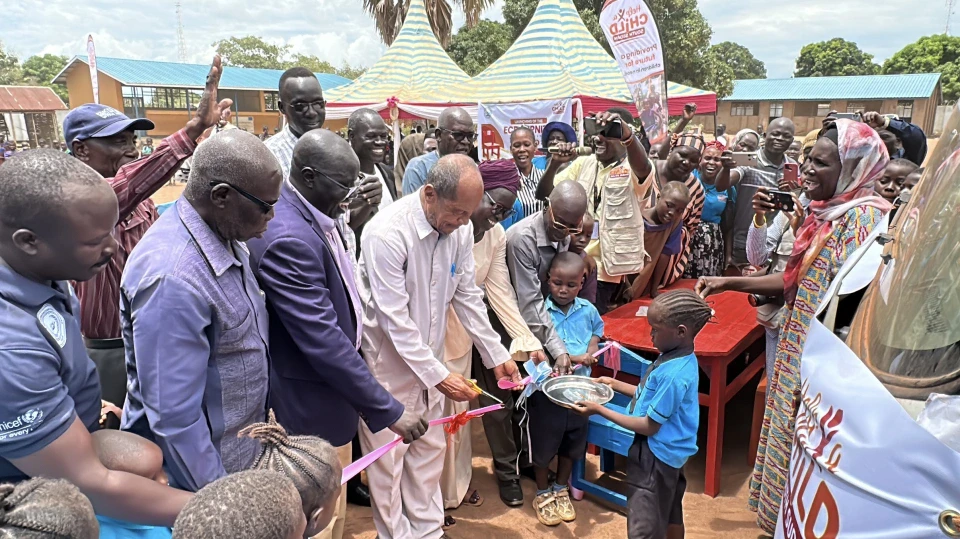
The official launch and commissioning ceremony was held at Kosti Girls Primary School and brought together key education stakeholders, including the Country Director of Help a Child South Sudan, Juma Ismail, Director General for Education, representatives from the State Ministry of General Education, Wau County and Wau Municipality, school leaders, teachers, Parent-Teacher Associations, parents, community representatives and education partners.
This response is important because the physical learning environment plays a major role in how young children participate, interact and develop. Appropriate furniture helps children sit comfortably, engage in classroom activities, work with their peers and move safely within the learning space.
For ECD learners, classrooms should support play, creativity, communication and active participation. Child-friendly furniture helps teachers organize these activities more effectively and creates a learning environment that is better suited to the developmental needs of young children.
The intervention also contributes to dignity and inclusion. When children have safe and appropriate spaces to sit and learn, they are more likely to feel valued, confident and included in the classroom experience.
By investing in the learning environment, Help a Child South Sudan is addressing an immediate practical need while helping strengthen the foundation for school readiness, participation and future learning.
The furniture support was officially launched and commissioned on 25 September 2026 at Kosti Girls Primary School in Wau County.
The ceremony brought together key education stakeholders, including the Country Director of Help a Child South Sudan, Juma Ismail, Director General for Education, representatives from the State Ministry of General Education, Wau County and Wau Municipality, school leadership, teachers, Parent-Teacher Associations, parents, community representatives and education partners. “Improving the learning environment for children is an important part of strengthening the quality of education. This support will help our young learners study in a safer and more appropriate classroom setting,” Juma Ismail, Director General for Education.
A commitment to Early Childhood Development
Help a Child South Sudan continues to recognize ECD as a critical foundation for children’s future learning and development.
The early years are a period when children build essential cognitive, social, emotional and communication skills. Investments made at this stage can influence school readiness, retention, confidence and long-term learning outcomes.
Through this intervention, HaC is contributing to a wider goal of ensuring that children begin their education in environments that are safe, inclusive and supportive of their development.
The Country Director of Help a Child South Sudan reaffirmed the organization’s commitment to working closely with government and education stakeholders to improve learning conditions for children: “Every child deserves a safe, dignified and supportive environment in which to learn and develop. Through this investment, Help a Child South Sudan is contributing its own resources to address a practical gap that directly affects children’s learning experience,”
More than furniture
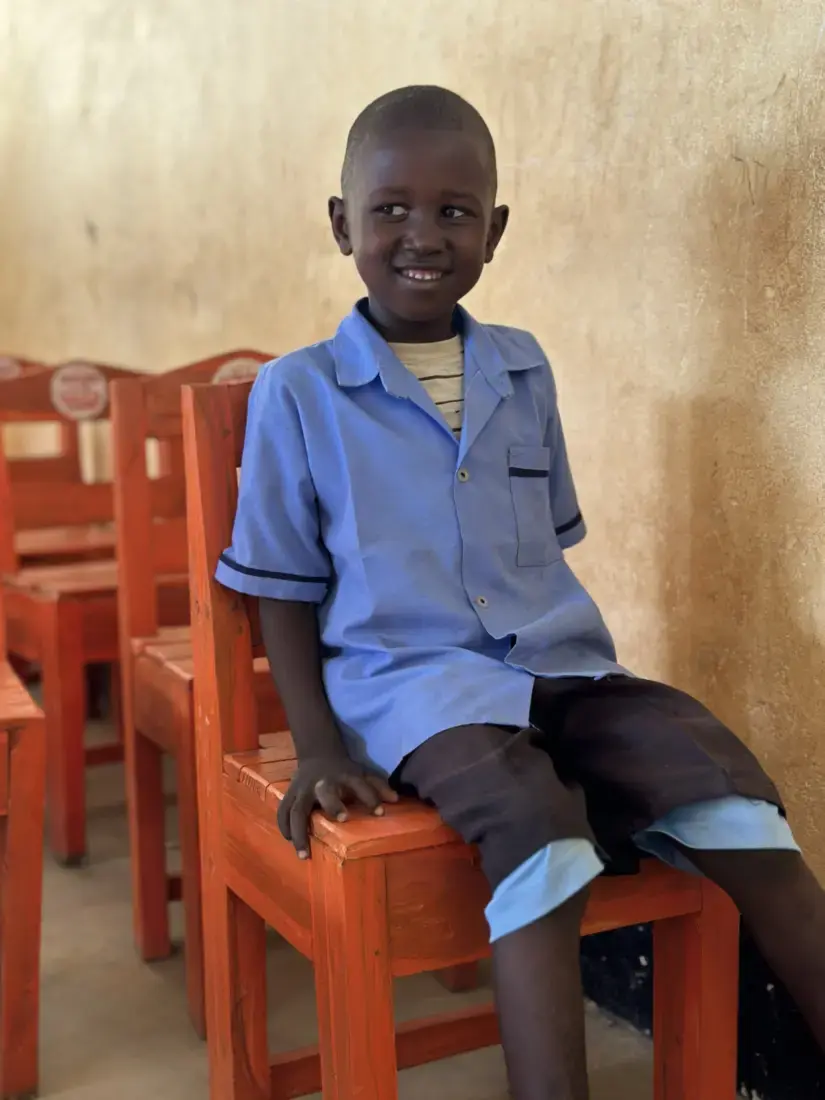
The intervention is about more than providing chairs and classroom furniture. For more than 300 young children, it means having a learning environment that is safer, more comfortable and better suited to their stage of development.
It also means giving teachers a more organized classroom environment in which they can facilitate learning, play and interaction more effectively.
A suitable ECD classroom can help children feel more confident, participate more actively and develop positive attitudes towards school from an early age.
The Head Teacher of Kosti Girls Primary School, Madam Justina, welcomed the support and highlighted the difference it will make to young learners: “This support will make a real difference for our children. It will give them a more comfortable and dignified space to learn, and as a school, we are committed to ensuring that the furniture is properly used and maintained.”
The needs remains
A key part of the intervention is ensuring that the furniture continues to benefit children over the long term.
During the launch, school leaders, teachers, PTAs, parents and community representatives were encouraged to take ownership of the furniture and support its proper use, care and maintenance.
This shared responsibility is essential to ensure that the investment remains sustainable and continues to serve future generations of ECD learners.
The involvement of PTAs and school management structures is particularly important because these groups play a central role in supporting schools, mobilizing communities and promoting accountability for education resources.
Looking ahead
Following the central launch at Kosti Girls Primary School, the furniture support will continue to reach the other beneficiary schools in accordance with the agreed distribution plan.
For the more than 300 children expected to benefit, the intervention represents an important improvement in their everyday learning environment.
It is a practical investment, but one with wider significance: helping children begin their education with dignity, safety and a stronger foundation for the future. Every child deserves a strong start, and every strong start begins with a learning environment that supports them.
Related news
Healthcare within reach: an IDP family’s story
Every morning, before the sun fully rises over the IDP settlement in Baidoa, Safiya, a…
Essential support for SGBV survivors
In the Oicha Health Zone, many women and girls who have survived Gender-Based Violence…
Foster families protecting hope during Ebola outbreak
During a period marked by the Ebola outbreak, unaccompanied and separated children were…