
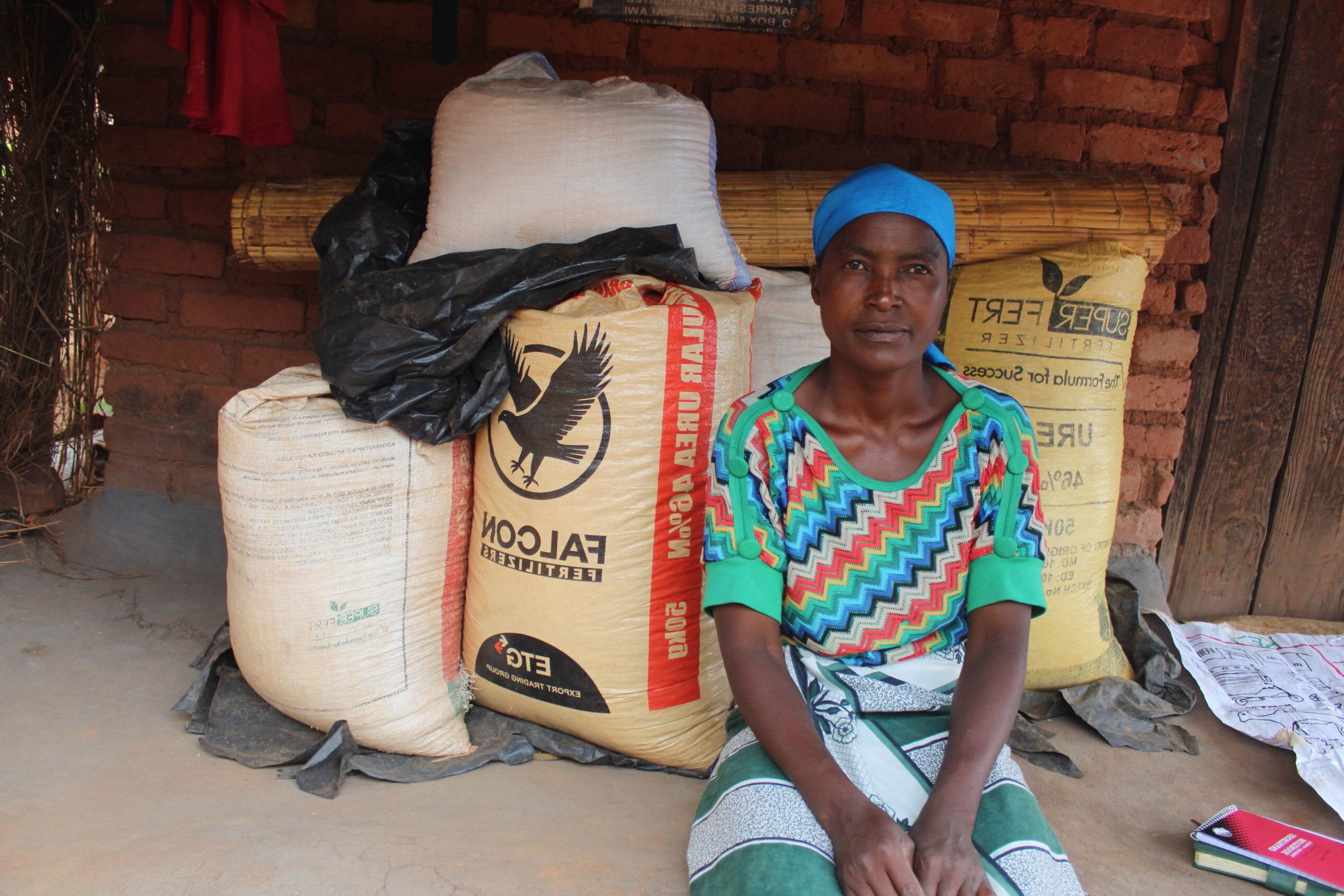
How PIP transformed Faidas household
Before joining the PIP programme in 2022, Faidas faced significant livelihood challenges. As head of her household, she struggled to pay school fees for her two children because of low agricultural yields and few livestock. These challenges limited her ability to meet basic needs.
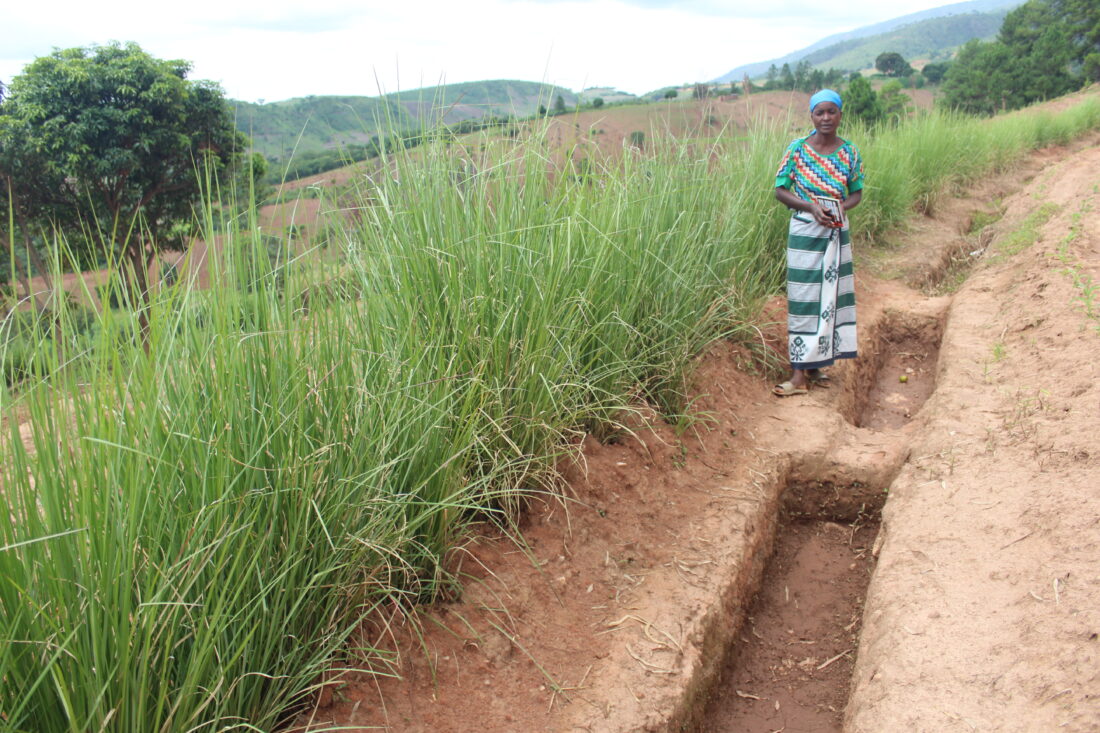
Through the PIP training programme, Faidas developed expertise in household visioning, integrated farm planning and sustainable land management. She then implemented these skills alongside her two children. She adopted a variety of climate-smart practices, such as constructing swales and contour ridges, planting vetiver grass, diversifying crops, and practising agroforestry. As a result, her farm now includes fruit trees, indigenous trees and a pine woodlot, which contribute to improved soil health and environmental conservation.
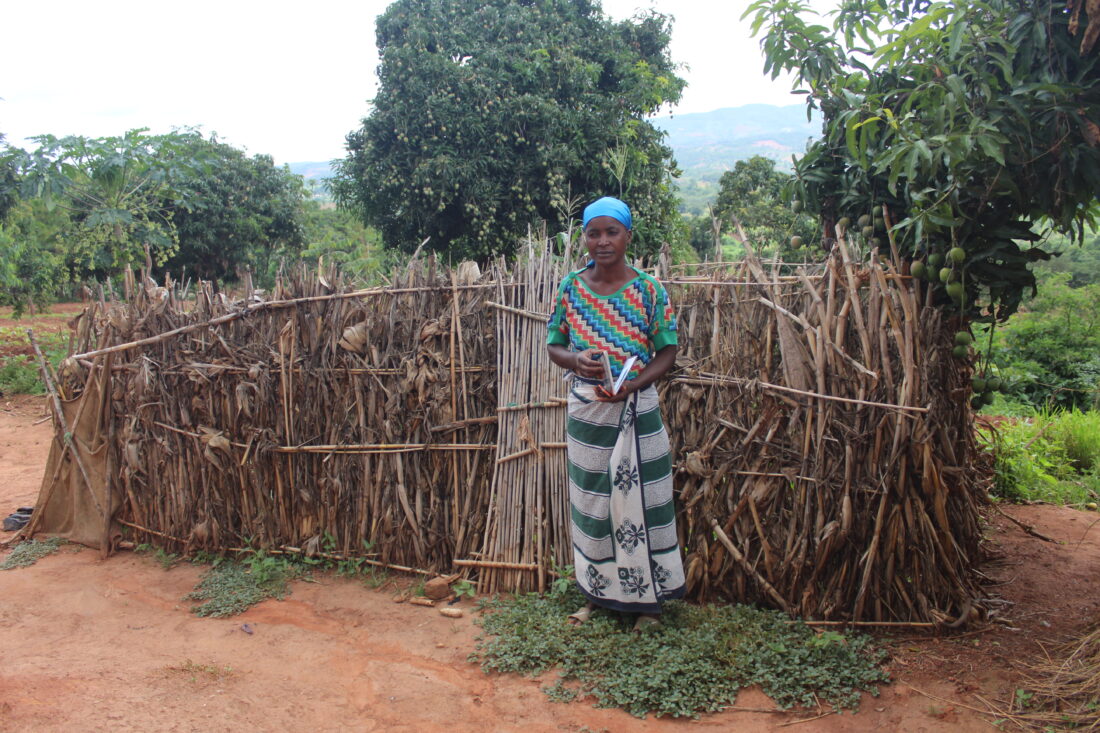
As a result, Faidas has experienced a significant improvement in farm productivity. She now produces enough food to sustain her household throughout the year, and sells surplus produce to generate income. This improved income has directly translated into better opportunities for her children. She is now able to pay her daughter’s school fees of MWK 300,000 (€150) per term. In 2025, she further invested in her family’s future by using the proceeds from the sale of her farm produce to help her son start his own business. She has also purchased another plot of land on which to build houses to let.
Today, Faidas Mbale’s household is food secure, economically stable and resilient to climate and economic shocks. Her story demonstrates how PIP can empower female-headed households, transforming improved land management into lasting livelihoods and educational opportunities, particularly for girls, as well as providing intergenerational economic security.
Related news
Healthcare within reach: an IDP family’s story
Every morning, before the sun fully rises over the IDP settlement in Baidoa, Safiya, a…
Essential support for SGBV survivors
In the Oicha Health Zone, many women and girls who have survived Gender-Based Violence…
Foster families protecting hope during Ebola outbreak
During a period marked by the Ebola outbreak, unaccompanied and separated children were…