Kayanza ECD model pilot project: From advocacy to evidence based scalable action
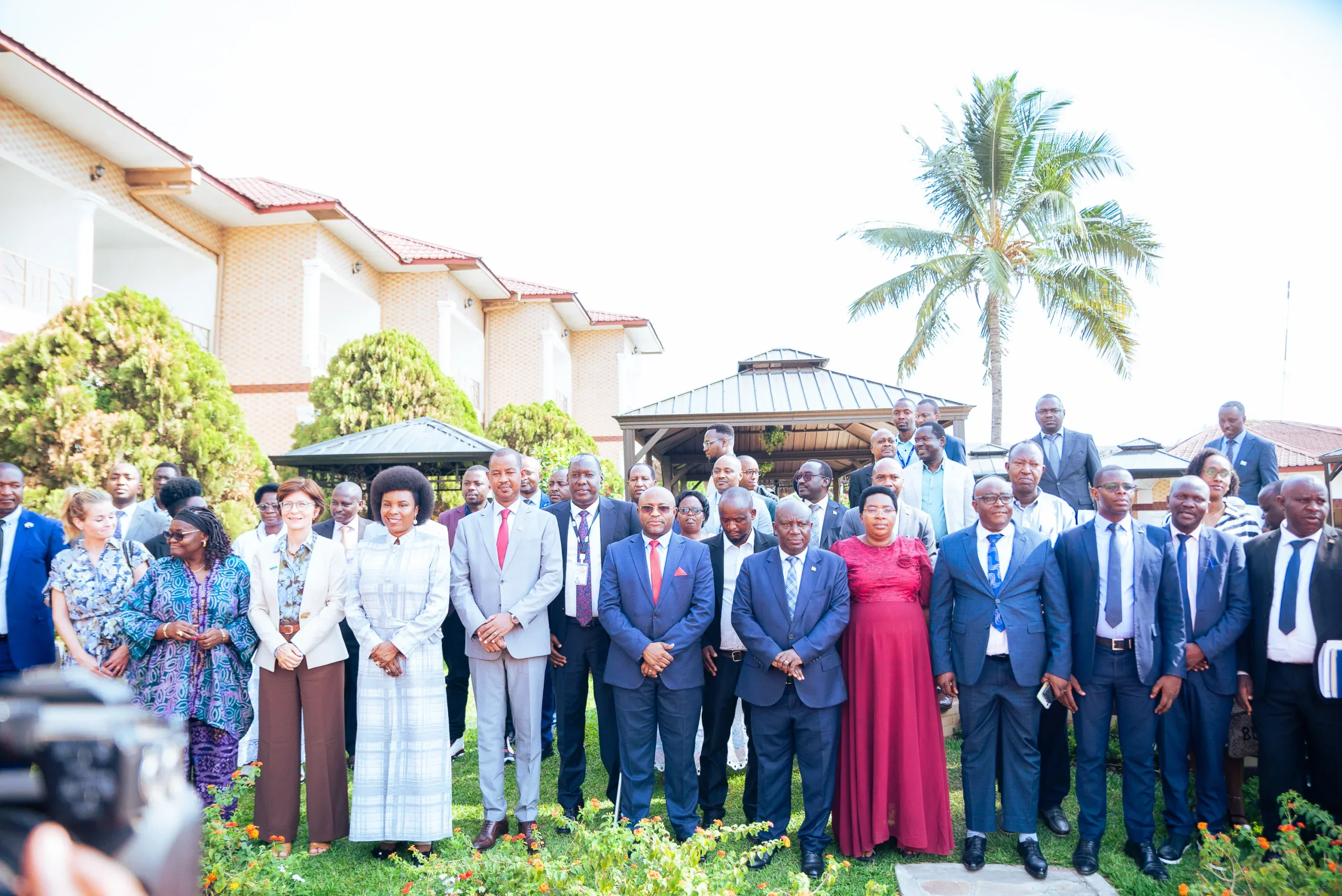
On 30 September, a national workshop on ECD (Early Child Development) pilot project capitalization and advocacy was organized. The workshop was funded by UNICEF and the European Union Delegation in Burundi and held under the high patronage of the First Lady of Burundi and the Ministry of Health.
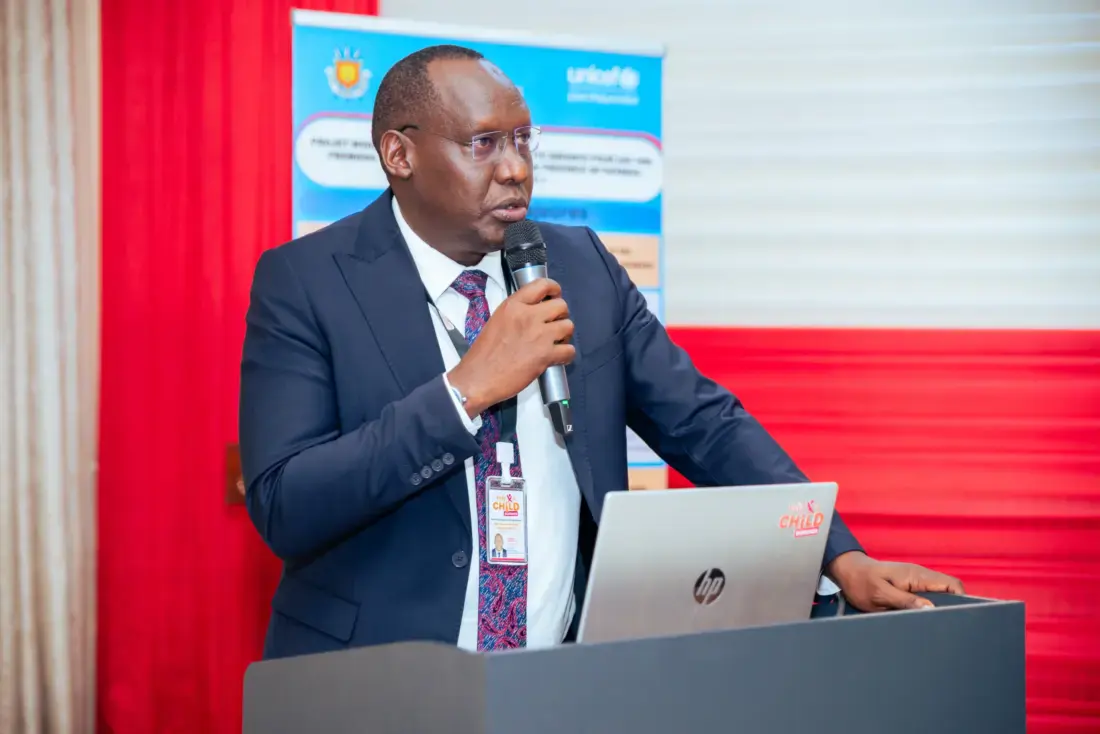
The workshop was aiming to share experience from a pilot project on ECD (Early Child Development) and advocate for scaling up. The project serving as pilot was implemented from 2024 to 2026 by Help a Child in consortium with Help Channel Burundi and Social Action for Development (SAD) and was technically and financially supported by UNICEF under a funding provided by the Kingdom of Netherlands. The project brought together interventions across nutrition, health, child protection, WASH, social protection and parenting, with the aim of creating a more supportive environment for young children and their families.
The project built on momentum from the 2024 High-Level Forum of Women Leaders, which called for greater investment in early childhood development, stronger coordination and planning, increased financing and greater support for implementing Burundi’s multisectoral ECD strategy. The Kayanza pilot project offered an opportunity to put these ambitions into practice while generating evidence and lessons that can inform future investment in ECD. That progress is now visible beyond the project itself. ECD is a national priority, supported by a national strategy and operational plan.
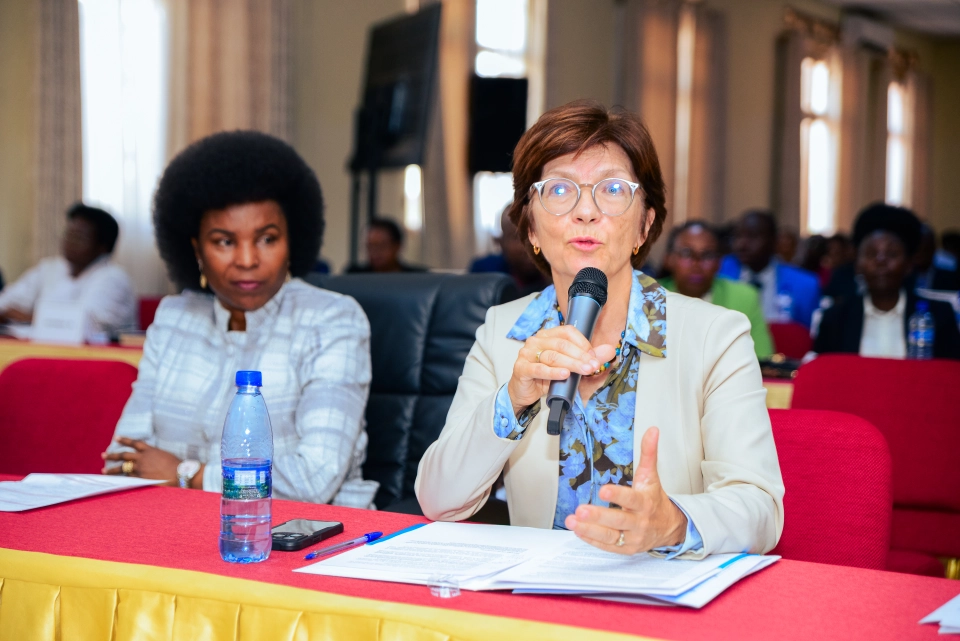
The workshop also gave stakeholders an opportunity to look ahead. The Ministry of Education committed to progressively expanding access to ECD, including through preschool classrooms in public schools. Several UN Agencies have attended the workshop and committed to support the perspective of growing ECD interventions in the scope of their interventions.
Their commitments matter because the experience in Kayanza has shown that ECD cannot be sustained by one sector or one organization alone. The next step is to build on what has been learned, strengthen government ownership and continue bringing different sectors and partners together so that more children can benefit.
Related news
Healthcare within reach: an IDP family’s story
Every morning, before the sun fully rises over the IDP settlement in Baidoa, Safiya, a…
Essential support for SGBV survivors
In the Oicha Health Zone, many women and girls who have survived Gender-Based Violence…
Foster families protecting hope during Ebola outbreak
During a period marked by the Ebola outbreak, unaccompanied and separated children were…